Steel
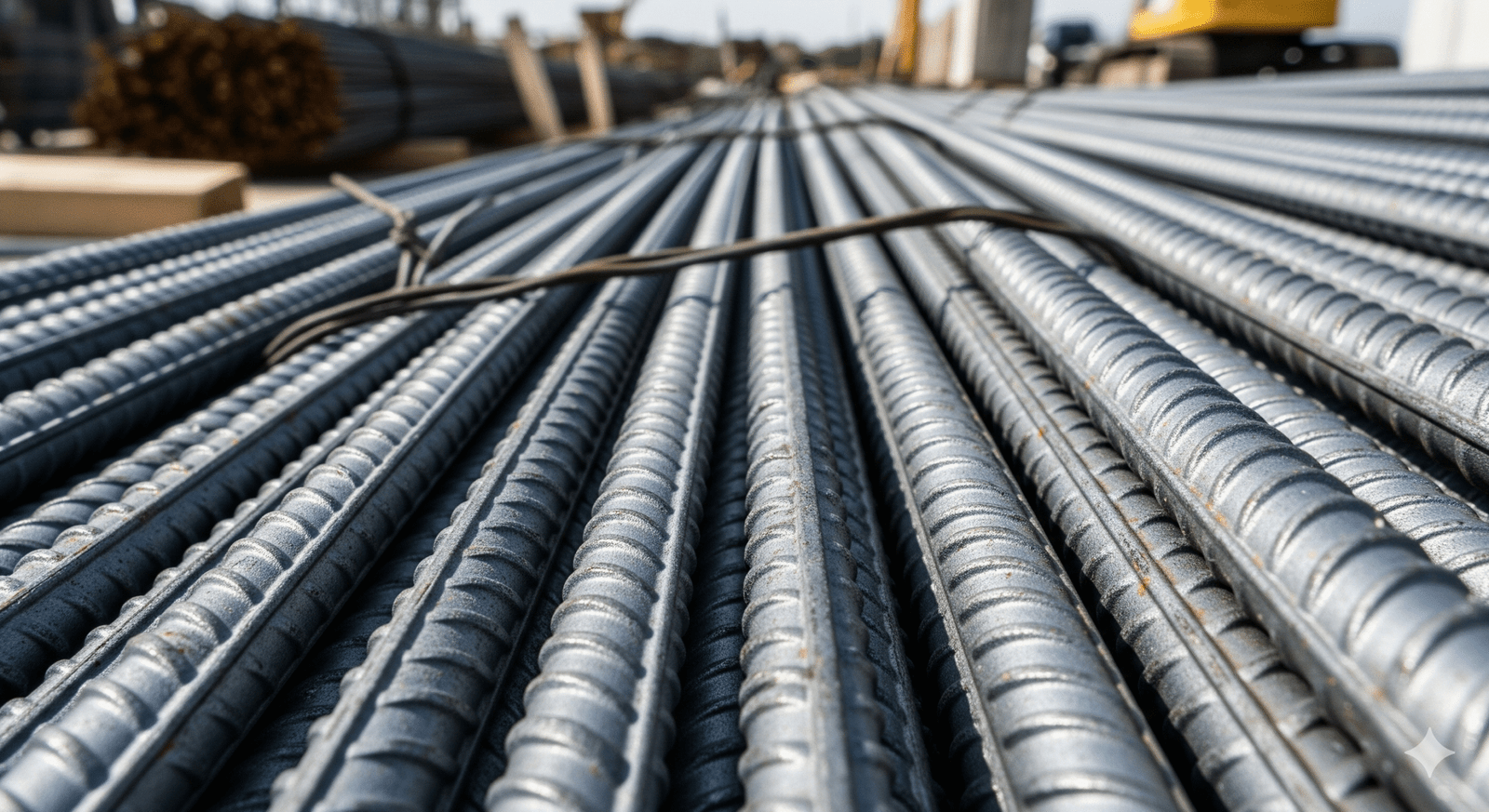
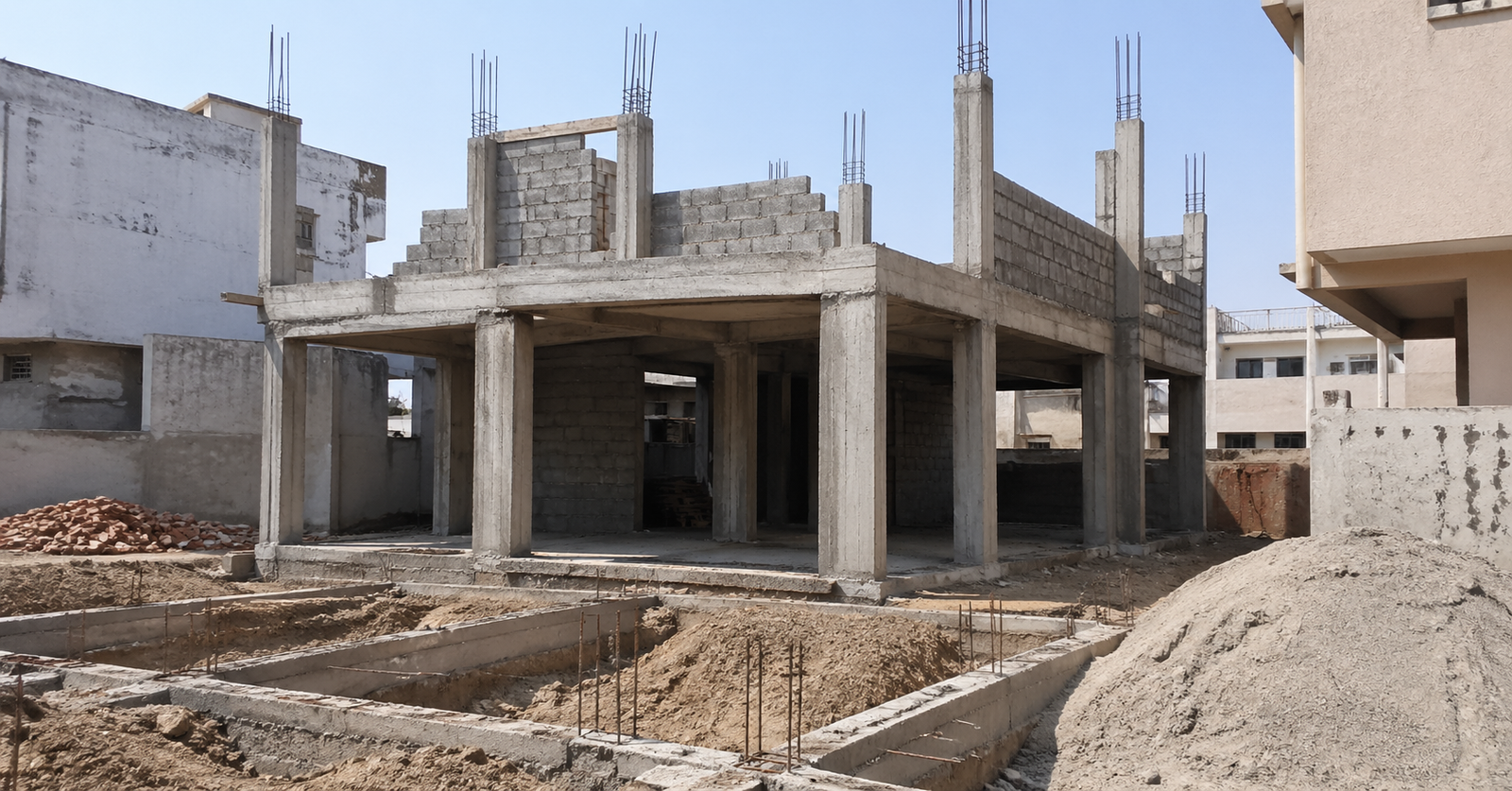
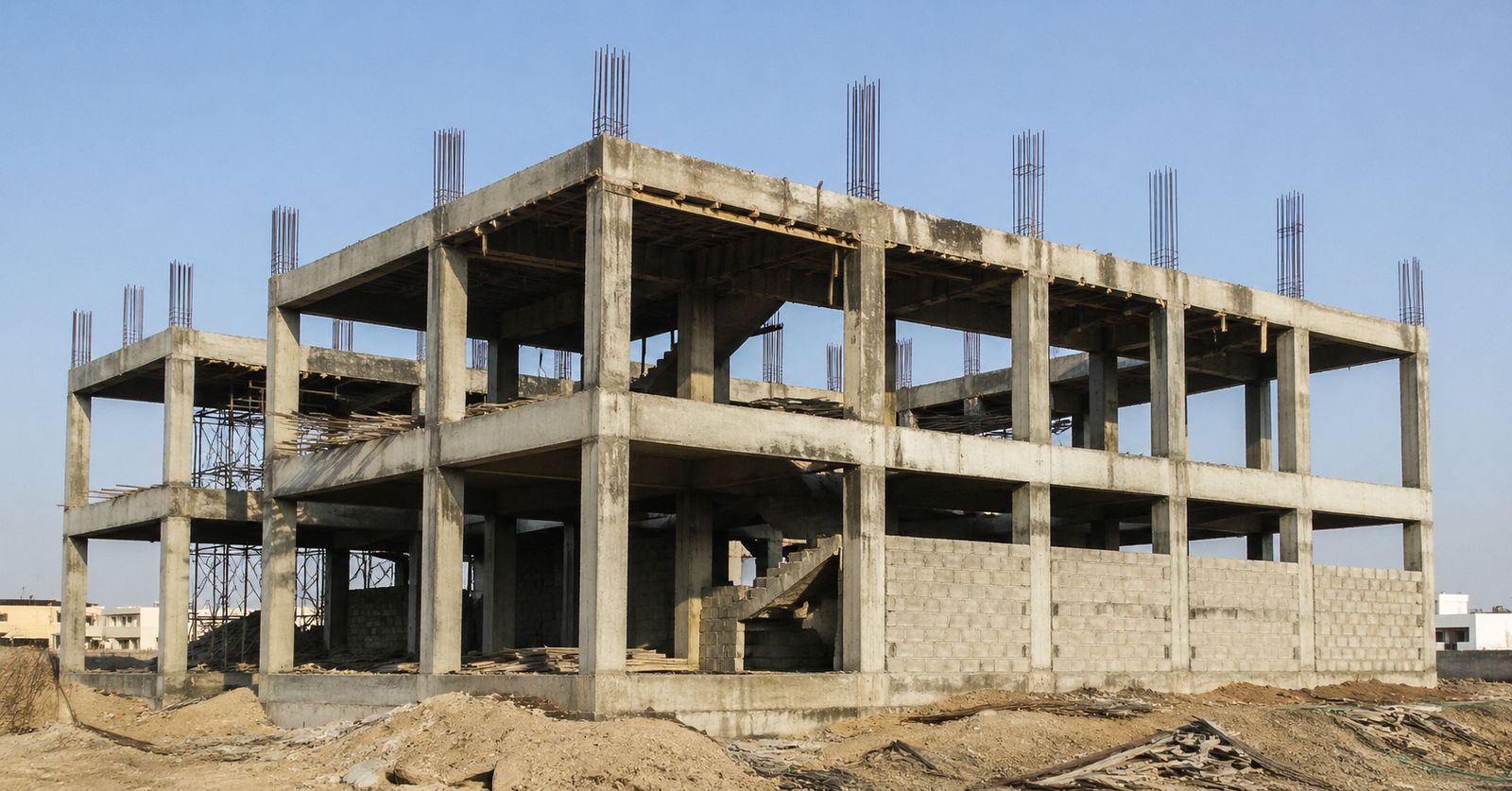
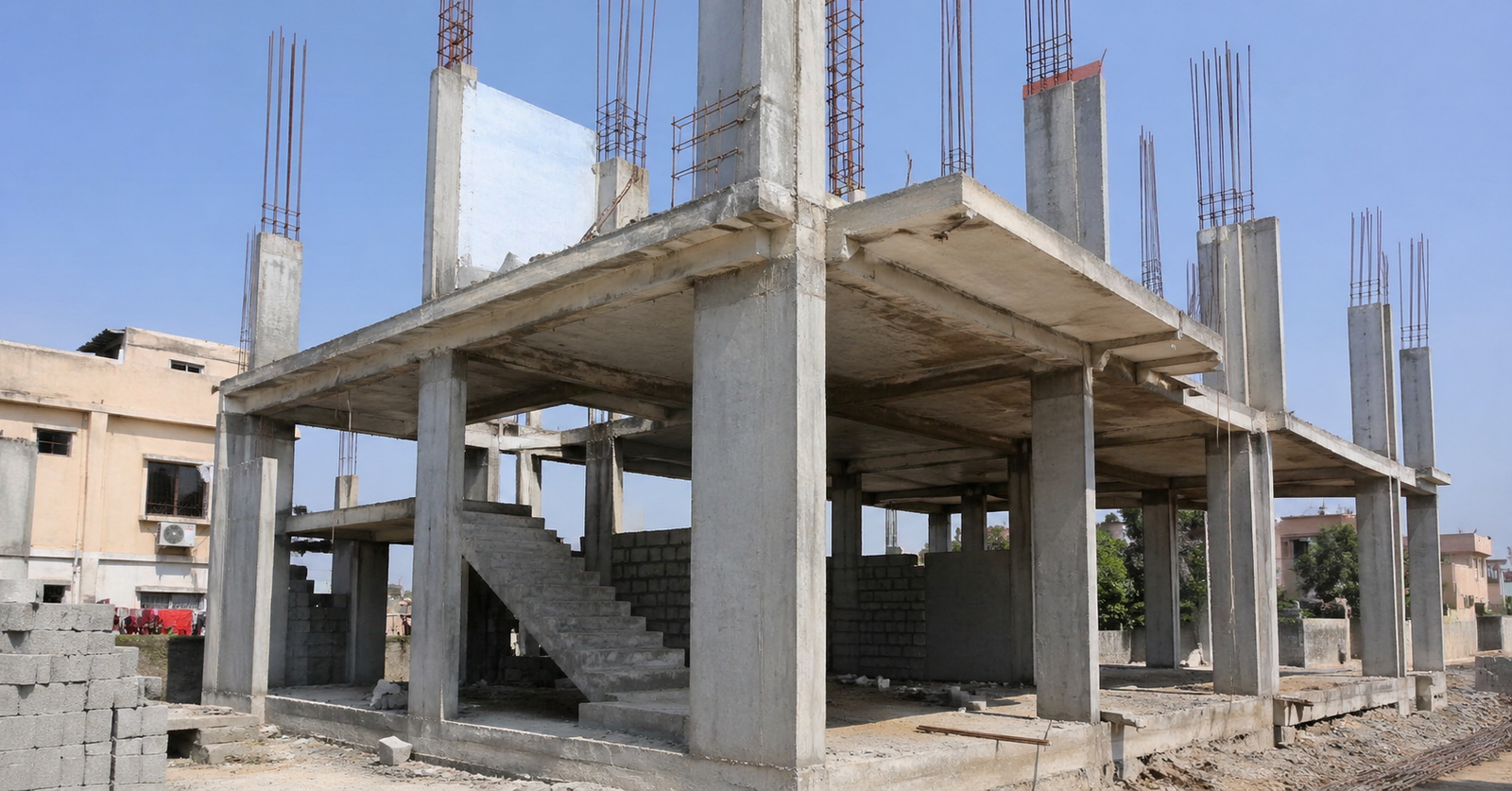
While concrete is strong under compression, it is weak when stretched. This is where steel reinforcement bars, or rebar, become vital. These bars are placed within the concrete to give it tensile strength, preventing cracks and failure from forces like wind, settling, or earthquakes. The combination of concrete and steel forms reinforced concrete, a robust material that is the backbone of almost all contemporary foundations.
Aggregates (Sand and Gravel)
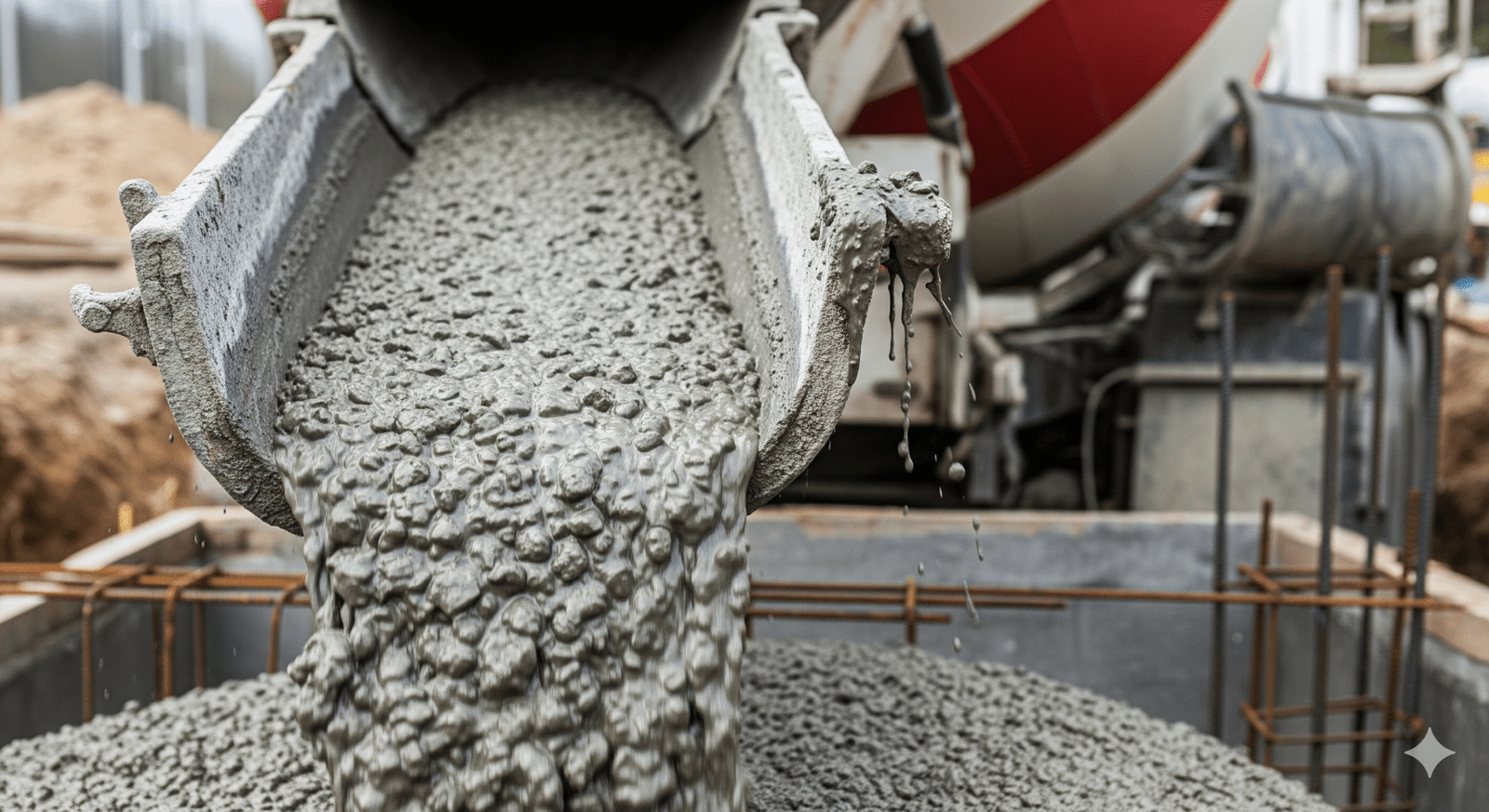
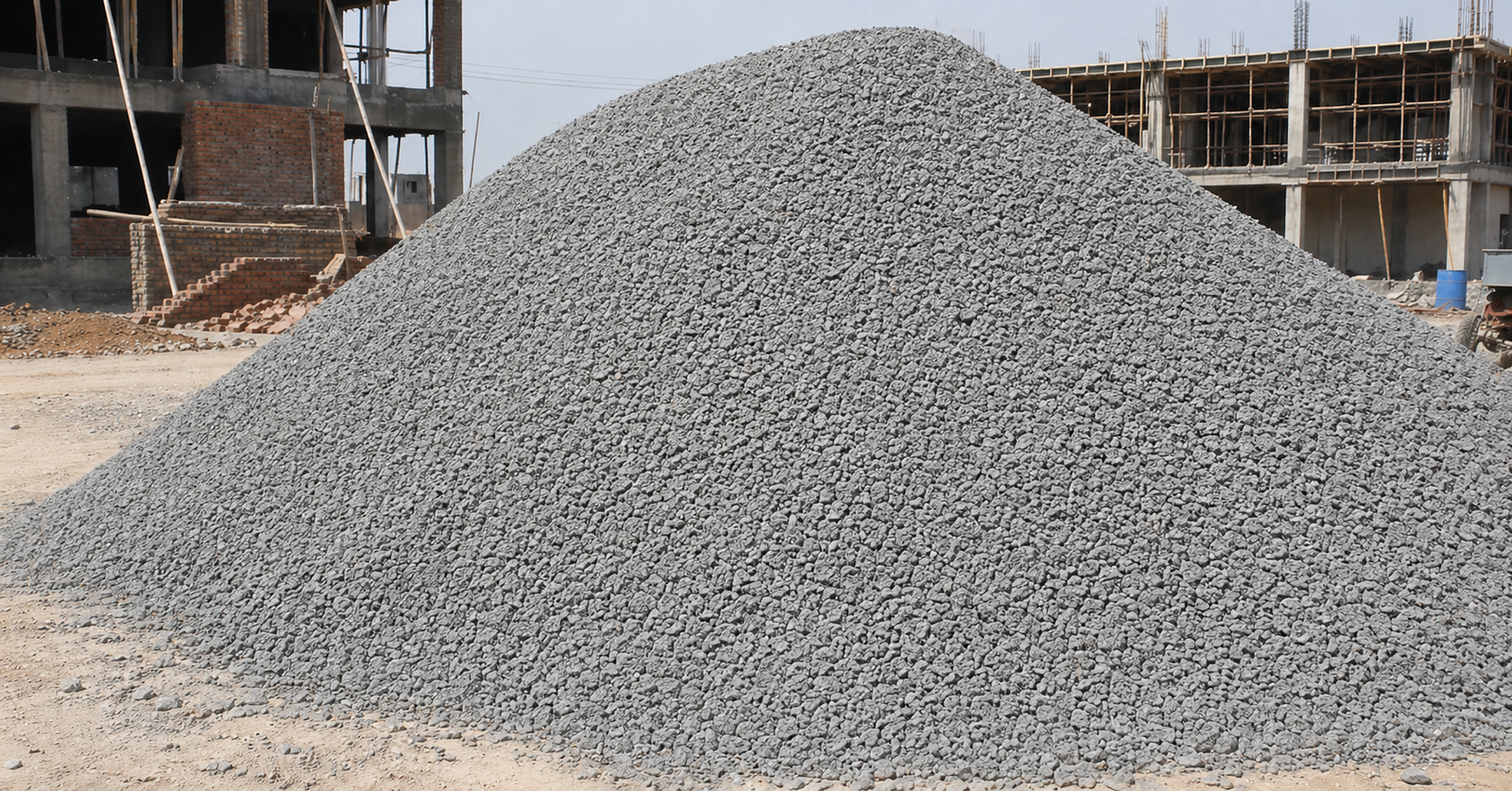
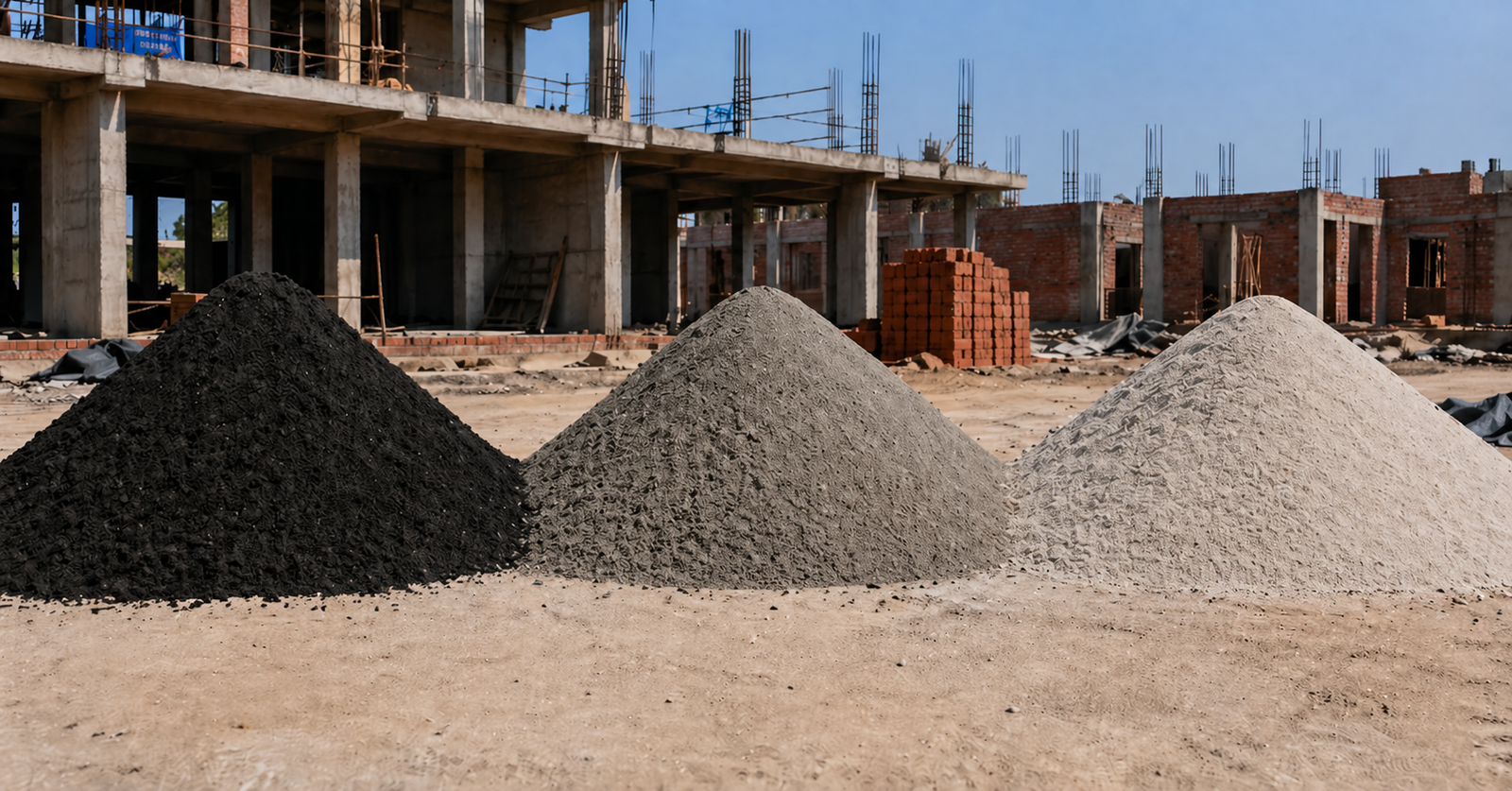
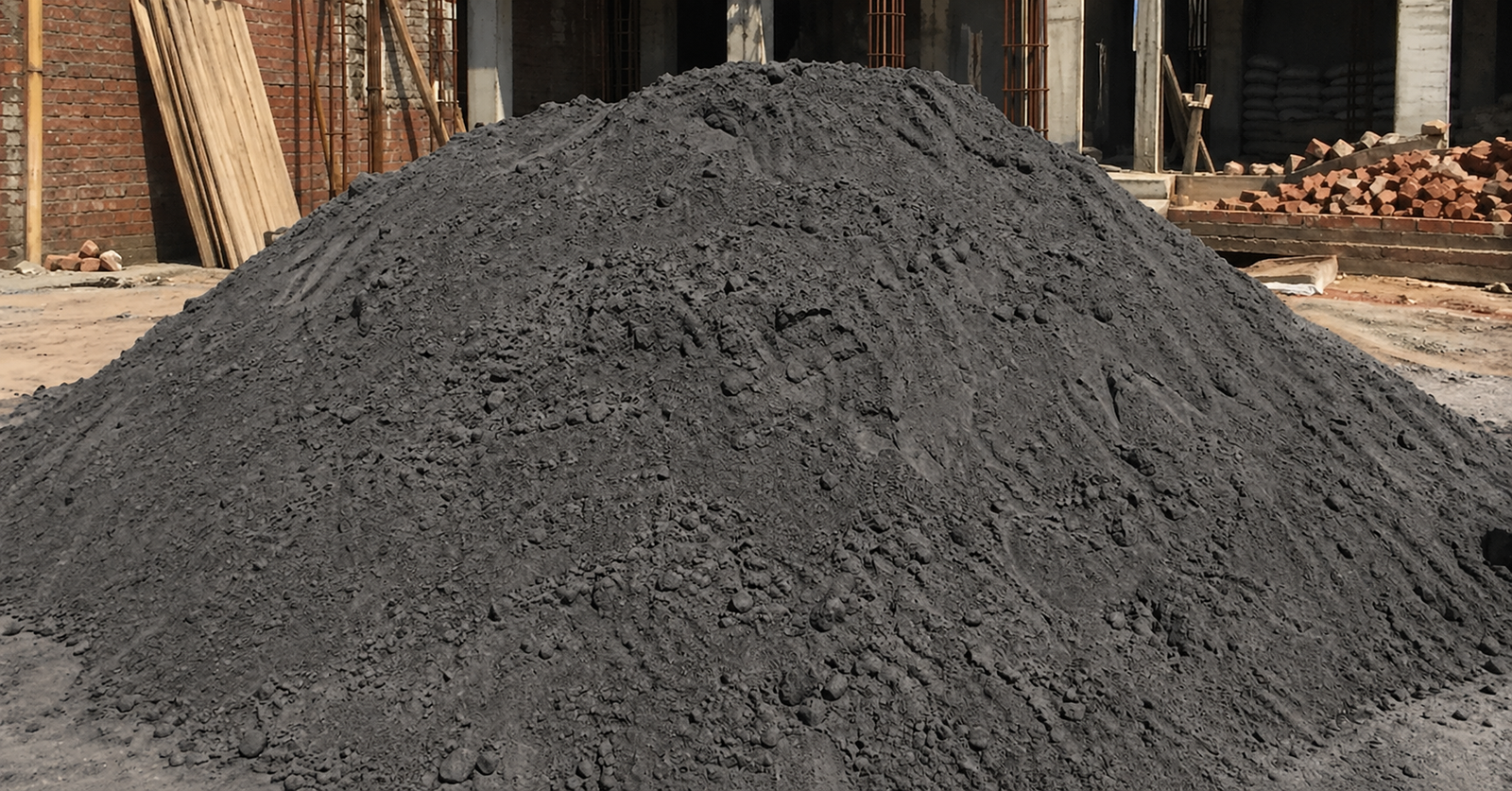
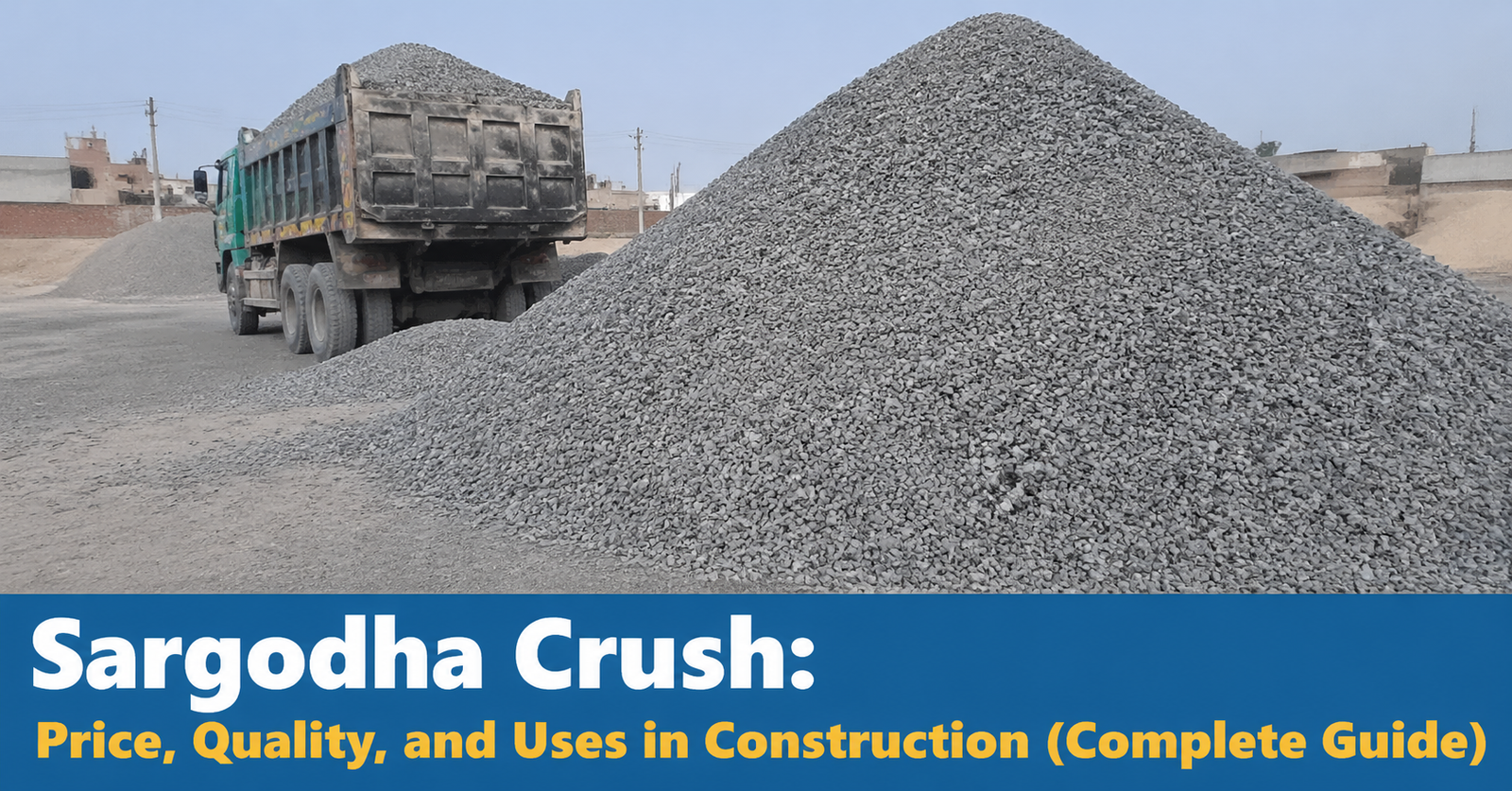
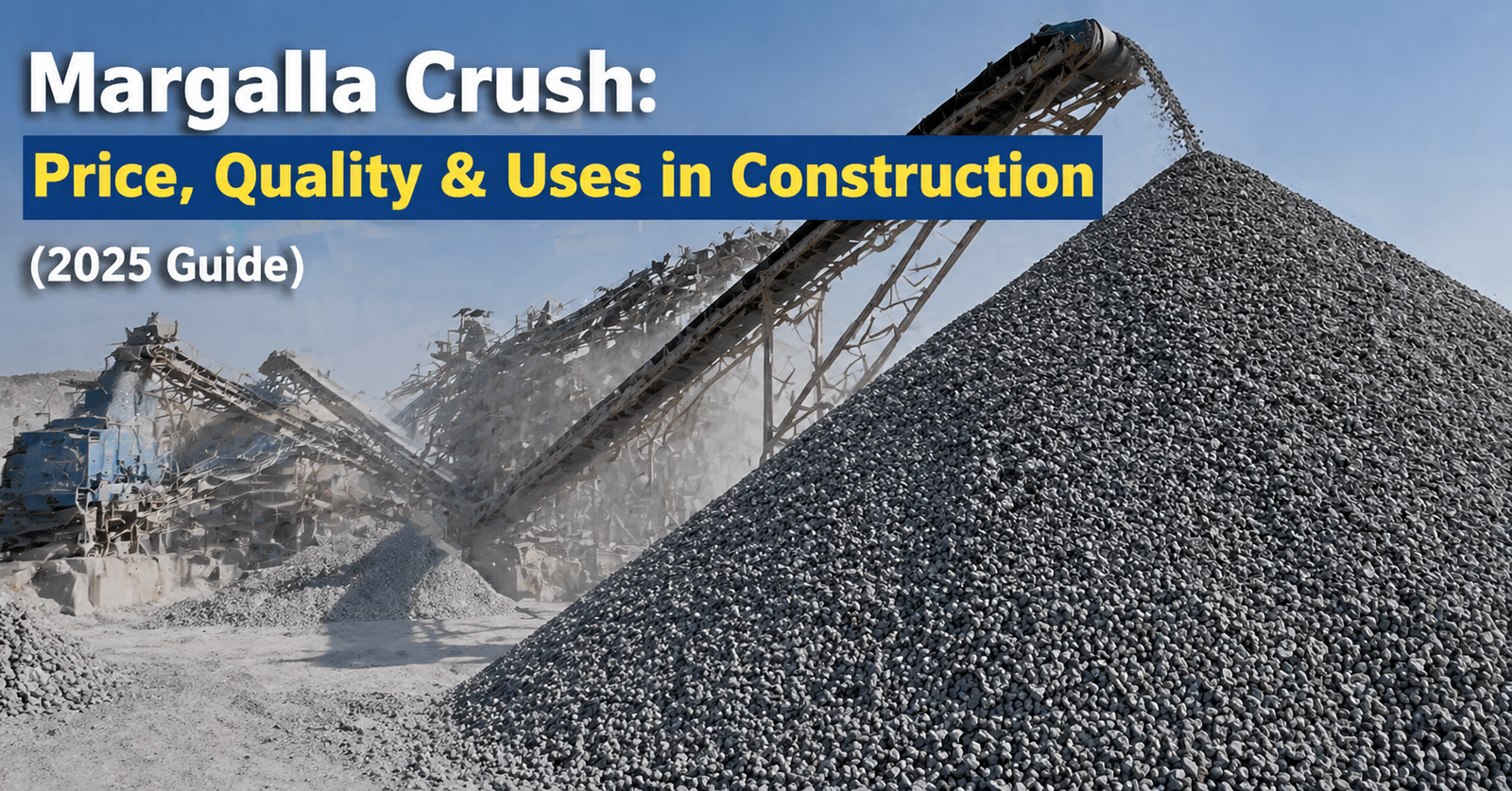
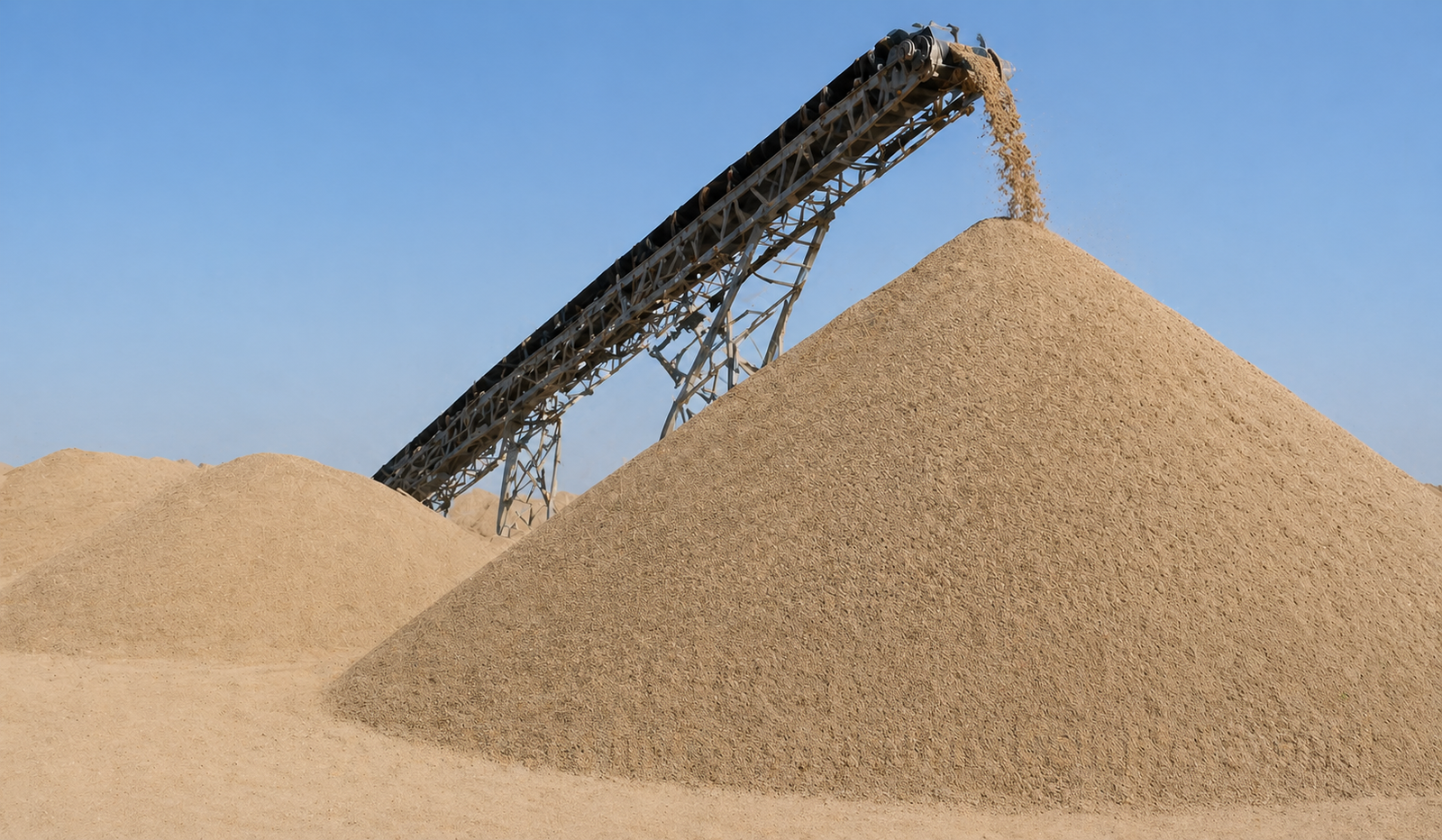
Sand and gravel are the essential bulk fillers that make up the majority of a concrete mix. They provide stability and strength, while also reducing shrinkage and cracking as the concrete cures. Beyond being a component of concrete, aggregates are also used as a base layer for foundations. This compacted layer improves drainage and creates a perfectly level surface for the foundation to be built on, ensuring it remains stable over time.
Bricks and Masonry
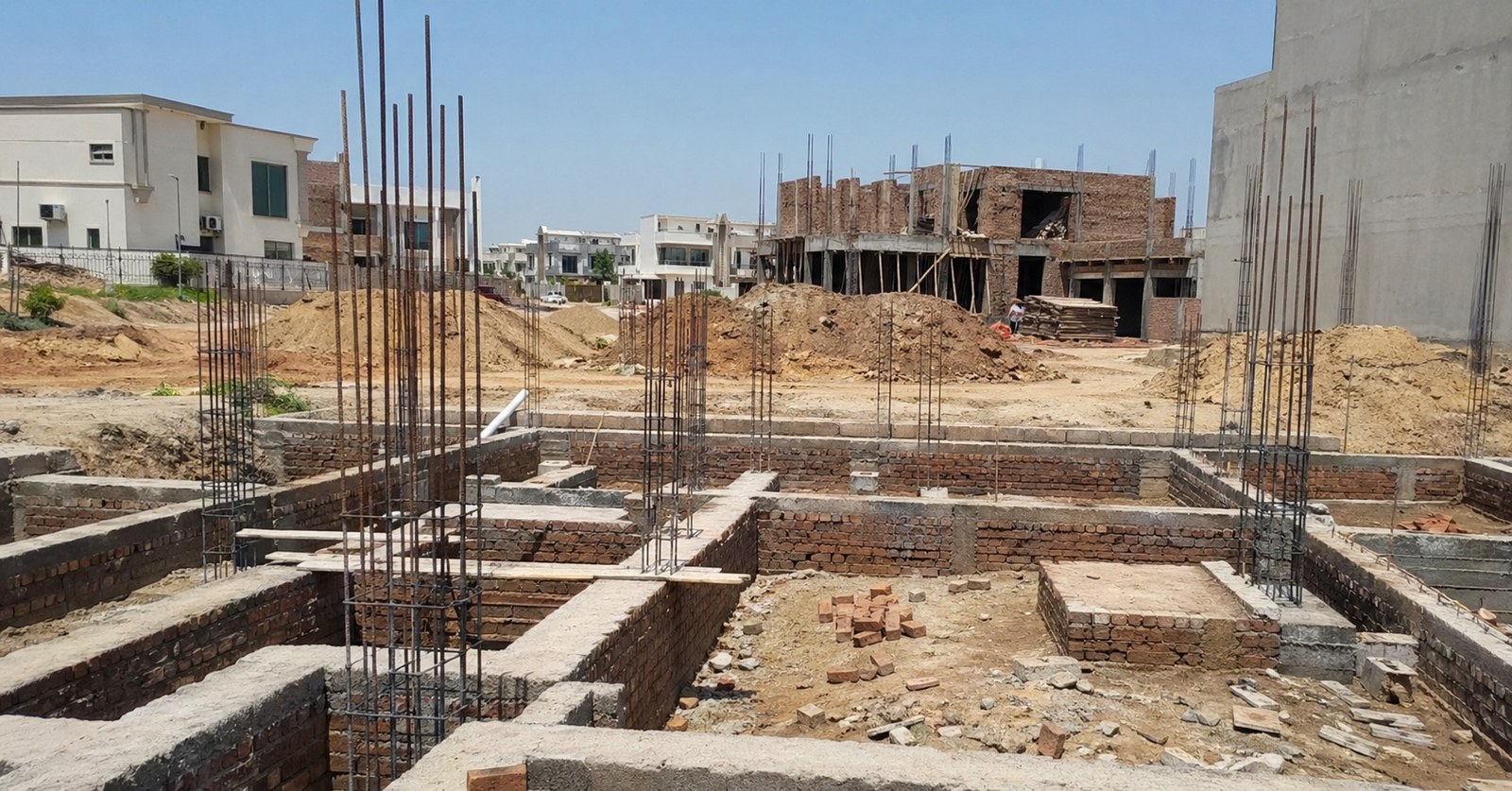
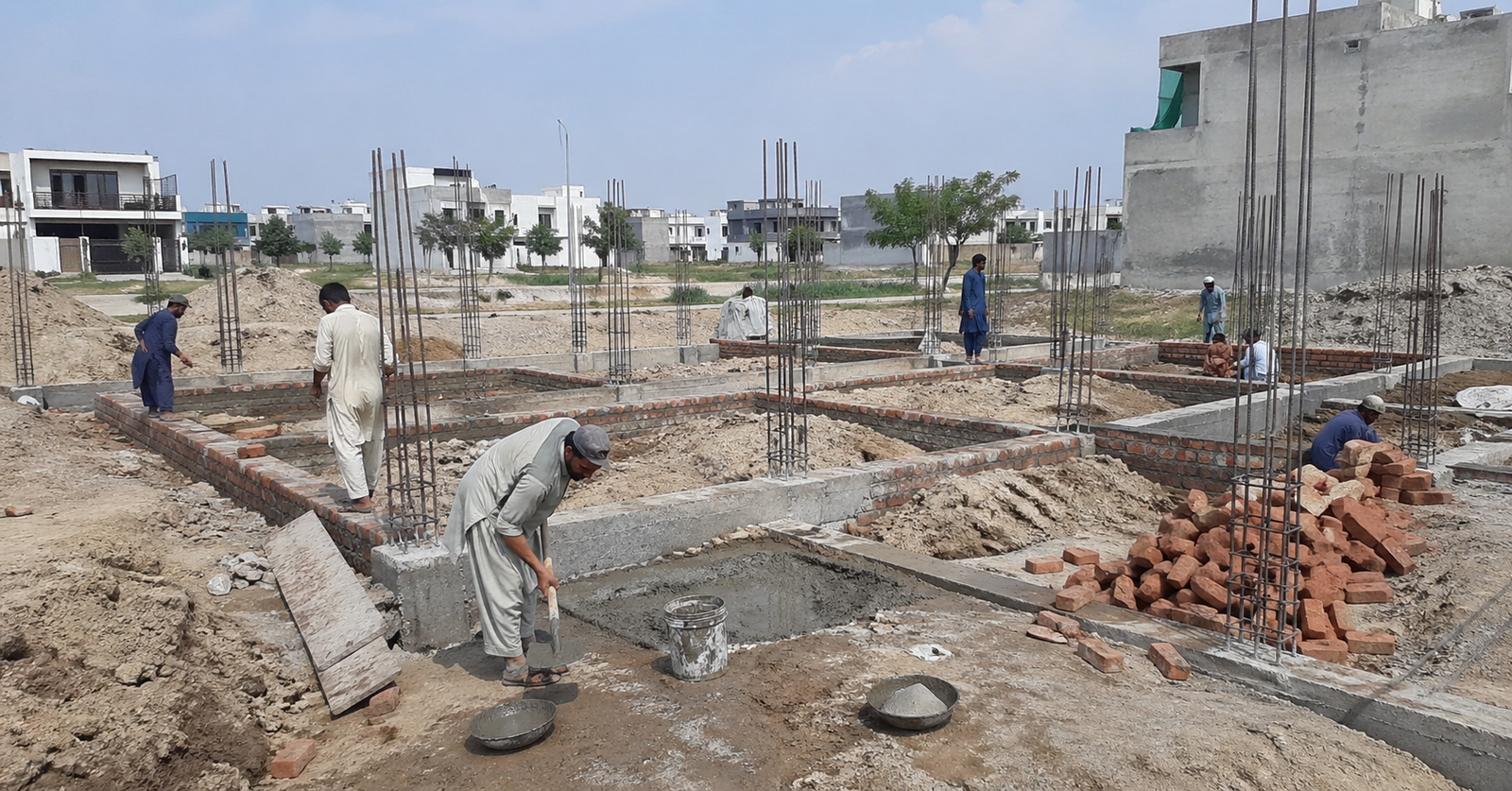
Although less common for a building's main foundation today, bricks and masonry are still used in specific foundation types, especially for smaller structures or in certain architectural styles. They are durable, fire-resistant, and have excellent load-bearing capabilities. For instance, brick may be used to build a solid foundation wall on top of a concrete footing, providing a classic, long-lasting base.